
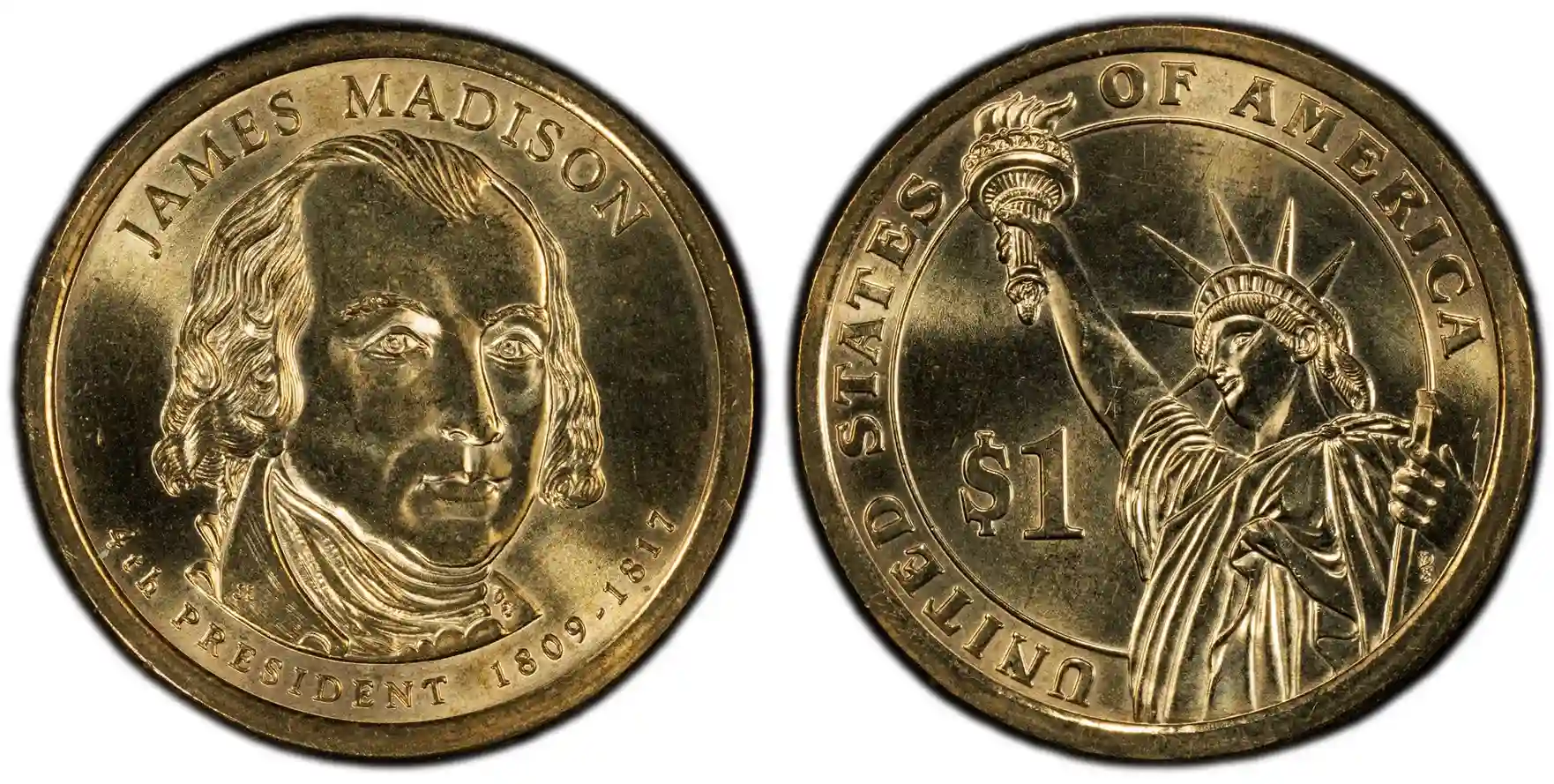
For example, James Madison coin values in circulation range between $1.10 and $1.50. High grade coins sell for $25 to $40. Record auction prices reach $1200 for top quality pieces.
Feature | Data |
Dollar value | $1 |
Diameter size | 26.5 mm |
Coin weight | 8.1 g |
Metal composition | Mixed metal base |
Market Factors Analysis
Coin investment success depends on mint volume and surface quality. Common coin prices remain near $1.20 during the last 36 months. MS67 category coin prices show 4% annual gains. Market demand drives these price changes.
Investors track sales data closely. Market participants watch for production spikes. Higher demand creates price growth.
High Potential Types
Double Die
Die doubling errors create thicker, split lettering patterns on coin edges. Market prices start at $150. Record sales reach $850. Missing certification drops value to $50. Collectors seek these specific errors. Production mishaps cause this effect. Clear error visibility improves sale speed.
Off-Center
Image placement errors outside the center occur during production. Price depends on percentage. 10% shift coin prices sit at $30. 50% shift coin prices reach $300. Production speed affects these error rates. Extreme shifts bring higher returns. Dealers look for unique visual traits.
No Edge Lettering
Missing edge text happens during mint operations. Speculative prices reach $2500 with proper documentation. Common market prices without certification remain near $600. Errors attract high attention. Collectors verify edge text carefully. Missing letters signal rarity.
Value Loss Factors
Poor storage creates metal corrosion and dark spots. Surface spot formation drops market value 60%. Scratches deeper than 0.1 mm reduce MS grades to circulation grades. Coin prices fall from $35 to $1.05. Proper storage protects investment value. Humidity destroys metal shine. Air exposure causes discoloration.
Return Statistics
MS65 coins — 2% annual gain
MS67 coins — 5% annual gain
MS69 coins — 12% annual gain
Liquidity Increase Tips
Professional coin capsules keep metal shine. Certification services by PCGS or NGC remain mandatory. Certified MS68 coin sales bring $150. Raw coins sell for $40. High grades move faster in auction markets. Clean storage preserves value. Expert grading provides proof.
Price Comparison By Condition
Condition | Price |
EF40 | $1.15 |
MS63 | $5.50 |
MS65 | $22 |
MS67 | $85 |
MS69 | $320 |
Price Change Dynamics
Trading platform data shows flat prices for low grade James Madison coins. Demand shifts toward specific die error pieces. MS67 and higher coin portfolios show 7% price growth during the last 24 months.
Investment capital flows into top tier examples. Market activity remains steady. Price charts reveal slow growth.
Mint Facility Influence
Philadelphia and Denver mints produce different volumes. Philadelphia mint volume exceeds Denver mint volume. Denver mint product prices remain 8% higher due to lower production counts. Collectors prefer lower volume mint marks. Supply figures dictate price ceilings. Rare mint marks drive competition.
Purchase Strategy
Full set purchases of 50 coins lower unit costs. Average set coin price remains $1.10. Single sales generate 40% profit margins. Edge error coin investment needs strict authenticity verification. Buying bulk requires careful inspection. Smart buyers calculate cost per unit.
Collection Formation Mistakes
Dirty coin acquisition
Certification process ignorance
Protective case absence
Low grade selection
Risks And Losses
PVC bag storage causes chlorine release. Metal surface develops green residue. Coin value drops 90% immediately.
Chemical surface cleaning constitutes artificial damage. Value falls to $1 face value. Avoiding harsh cleaning chemicals saves capital. Proper storage containers prevent long term damage.
Prospect Assessment
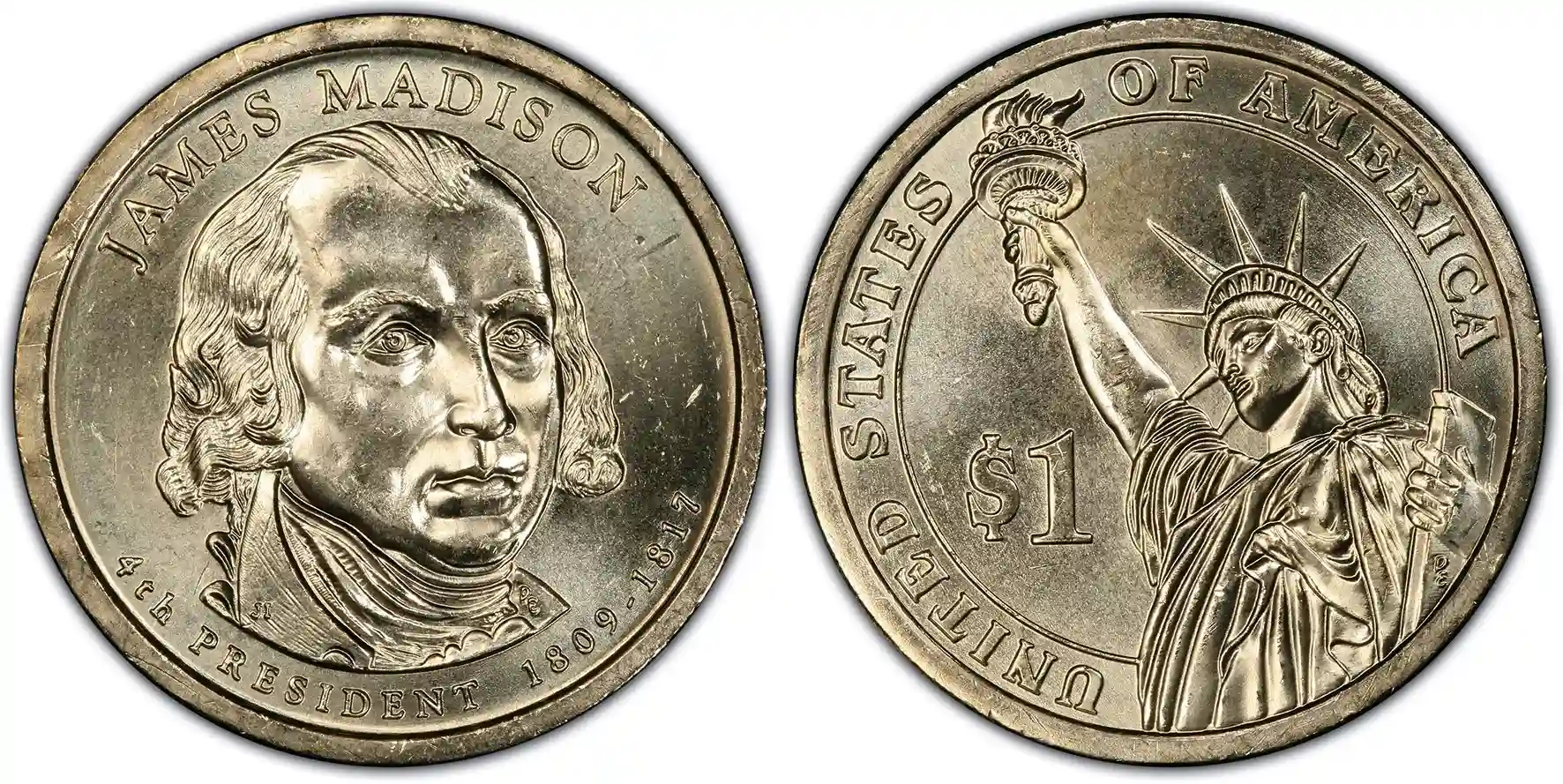
Long term strategy requires high grade coin accumulation. Market prices for top grade units rise based on high quality coin scarcity. MS60 coin investment provides negative returns. $3.00 purchase prices fail to cover storage and sales costs.
Investment success needs patience and quality focus. Future supply remains limited. Market interest defines long term value.
Numismatic Tip
Auction monitoring tracks current market demand. Listing coins for sale during high interest periods increases final prices by 15%. Avoid random coin purchases without sales history. Study market data before bidding. Researching sales records reduces risk. Timing market entry maximizes profit.
Demand Analysis
Investors prefer coins with proven rarity status. Large platform lot sales increased 9% during the last 12 months.
Average transaction value sits at $45. Collectors hunt for specific rare traits. Market growth reflects confidence. Steady price increases attract serious investors.
Minting Errors
Double image
Die rotation
Edge text faults
Partial strike
Grading Impact
MS66 to MS67 price gaps reach 40%. Re-grading MS66 coins to achieve MS67 status often causes capital loss through service fees.
Submission and evaluation costs reach $35. Failed grading attempts fix investment losses. Grading costs consume profit margins. Precision in grading selection saves money.